A mixer truck, also known as a concrete mixer or transit mixer, is a specialized vehicle designed to transport ready-mix concrete while maintaining its workability through continuous agitation. These trucks feature a rotating drum that prevents the concrete from setting during transit, ensuring it arrives at the construction site in optimal condition for pouring. Understanding the specific types, operational mechanisms, and maintenance requirements of a mixer truck is essential for construction professionals aiming to maximize efficiency and project longevity.
What Is a Mixer Truck and How Does It Work?
The fundamental purpose of a mixer truck is to bridge the gap between the batching plant and the construction site. Unlike static mixers, these vehicles combine transportation and mixing capabilities into a single unit. The core component is the drum, which rotates on an axis tilted relative to the horizontal plane. This rotation creates a spiral motion inside the drum, lifting the concrete mixture and allowing it to fall back under gravity, thereby ensuring homogeneity.
Modern mixer trucks are engineered with hydraulic systems that drive the drum rotation. This setup allows for precise control over the mixing speed and direction. When loading, the drum rotates in one direction to draw materials in; during transit, it spins slowly to agitate the mixture; and during discharge, the rotation reverses to push the concrete out through the chute system. This mechanical simplicity belies the complex engineering required to handle heavy, abrasive loads consistently.
The industry generally recognizes two primary methods of operation: central mixing and shrink mixing. In central mixing, the concrete is fully mixed at the plant before being loaded into the truck, which then acts primarily as an agitator during transport. Conversely, in shrink mixing, partially mixed ingredients are loaded, and the final mixing occurs within the truck’s drum during transit. Both methods rely heavily on the integrity of the mixer truck design to prevent segregation of aggregates.
The Role of the Rotating Drum
The drum is not merely a container; it is an active mixing chamber. Inside, fixed blades or fins follow a helical path. As the drum turns, these fins lift the concrete. The angle of the fins determines the flow rate and mixing intensity. Industry experts note that the condition of these internal fins is critical; worn fins can lead to inefficient mixing and difficult discharge, often resulting in material waste.
Maintaining the correct water-to-cement ratio is another vital function managed during the truck’s operation. While the initial water is added at the plant, drivers often have the capability to add small amounts of water en route, strictly within regulatory limits, to adjust slump without compromising structural integrity. This flexibility makes the mixer truck indispensable for sites with varying access times or weather conditions.
Primary Types of Mixer Trucks in the Industry
Selecting the right equipment depends heavily on the specific demands of the construction project. The market offers several distinct configurations of mixer trucks, each tailored to different terrain, volume requirements, and discharge scenarios. Understanding these variations helps project managers allocate resources effectively.
The most common variant is the standard rear-discharge truck. These vehicles feature a long chute system extending from the rear of the drum. They are ideal for large-scale commercial projects where the truck can back up directly to the pour location. Their high capacity and robust build make them the backbone of urban infrastructure development.
Another significant type is the front-discharge mixer truck. In this configuration, the cab and the drum are integrated differently, allowing the driver to have a direct view of the discharge chute. This design eliminates the need for a spotter in many situations and offers superior maneuverability in tight spaces. Front-discharge units are particularly favored for residential projects and sites with limited turnaround space.
Volumetric Mixer Trucks vs. Traditional Transit Mixers
While traditional transit mixers carry pre-batched concrete, volumetric mixer trucks operate on a different principle. These vehicles carry separate compartments for sand, stone, cement, and water. The actual mixing occurs on-site as the materials are metered out into a continuous auger system. This approach offers distinct advantages for projects requiring multiple small batches or specific custom mixes that a standard plant cannot easily provide.
The choice between a traditional mixer truck and a volumetric unit often comes down to logistics. Traditional trucks require a steady supply from a nearby batching plant and must be poured quickly to prevent setting. Volumetric trucks, however, can produce concrete on demand, reducing waste if a pour is delayed or canceled. Both play crucial roles in the broader ecosystem of concrete delivery.
Specialized variants also exist for extreme environments. For instance, off-road mixer trucks feature enhanced suspension, larger tires, and higher ground clearance. These are essential for mining operations, rural road construction, or any site where standard paved roads are unavailable. The durability of these machines is tested daily against harsh elements and uneven terrain.
Sourcing Reliable Equipment: The Role of Specialized Platforms
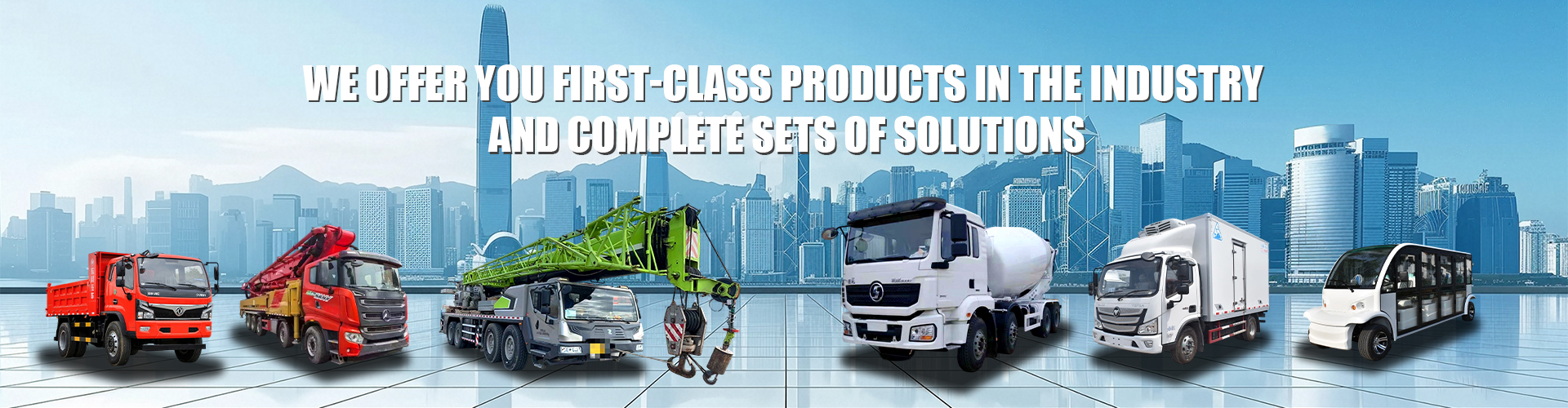
Given the critical nature of these vehicles in construction workflows, sourcing high-quality mixer trucks and reliable after-sales support is paramount. This is where specialized platforms like Hitruckmall come into play. Operated by Suizhou Haicang Automobile Sales Co., LTD, Hitruckmall serves as a comprehensive one-stop service platform for special vehicles based in Suizhou, Hubei—widely recognized as the “capital of China’s special purpose vehicles.”
Leveraging its strategic location, Hitruckmall radiates solutions to the global market by integrating resources from China’s leading OEMs, dealers, and spare parts manufacturers. The platform builds a complete industrial chain that covers new car manufacturing, second-hand trading, and a full life-cycle supply of spare parts. Through the integration of digital technology and efficient service processes, Hitruckmall is committed to providing cost-effective, highly reliable special vehicles tailored to the individual needs of different regional markets. Whether a contractor requires a standard fleet or a customized solution for unique terrain, such platforms ensure that the machinery delivered meets rigorous international standards, bridging the gap between Chinese manufacturing excellence and global construction demands.
Key Components and Technical Specifications
To appreciate the engineering behind a mixer truck, one must examine its constituent parts. Each component contributes to the vehicle’s overall reliability and performance. Failure in any single system can halt operations and lead to costly downtime.
The chassis serves as the foundation, supporting the weight of the drum, the engine, and the concrete load. Given that concrete is extremely dense, the chassis must be reinforced to handle dynamic loads during acceleration, braking, and cornering. Most modern chassis are built from high-strength steel alloys to balance weight and durability.
The hydraulic drive system is the heart of the mixing mechanism. It typically consists of a pump, motor, and reducer. This system converts the engine’s power into the torque needed to rotate the drum, even when fully loaded. Reliability here is paramount; a hydraulic failure mid-transit can result in the concrete setting inside the drum, a catastrophic event known as a “cook-off.”
Water Tanks and Admixture Systems
Integrated water tanks are standard on all mixer trucks. These tanks allow for the adjustment of the concrete’s consistency. Advanced models include automated dosing systems for chemical admixtures. These additives can accelerate setting time, improve workability, or enhance strength, depending on the project specifications. Precision in dispensing these chemicals is a hallmark of high-end fleet management.
The discharge chute system is equally critical. Composed of multiple hinged sections, the chute directs the flow of concrete from the drum to the formwork. Modern chutes are designed to be lightweight yet durable, often utilizing composite materials to reduce the overall vehicle weight while resisting corrosion from cement alkalinity. Extensions and swing-down chutes provide additional reach, minimizing the need for secondary pumping equipment.
| Component | Function | Maintenance Focus |
| Rotating Drum | Mixes and transports concrete | Check internal fins for wear; inspect for cracks |
| Hydraulic System | Drives drum rotation | Monitor fluid levels; check for leaks and hose integrity |
| Chassis | Supports total load weight | Inspect frame for stress fractures; check suspension |
| Water Tank | Stores water for slump adjustment | Clean regularly to prevent algae and sediment buildup |
| Discharge Chute | Directs concrete flow | Lubricate hinges; clean after every use to prevent hardening |
Operational Best Practices for Mixer Trucks
Operating a mixer truck requires more than just driving skills; it demands a deep understanding of concrete behavior and mechanical limitations. Professional operators follow strict protocols to ensure safety and material quality. Deviation from these standards can compromise the structural integrity of the poured concrete.
Before leaving the batching plant, the operator must verify the load ticket. This document details the mix design, volume, and destination. Ensuring the drum is rotating at the correct speed during loading is crucial to prevent spillage and ensure proper intake of materials. Once loaded, the drum speed is reduced to an agitation rate, typically between 2 to 6 RPM, to maintain homogeneity without segregating the mix.
During transit, route planning is essential. Drivers must account for traffic, road conditions, and travel time to ensure the concrete is delivered within its viable window, usually 90 minutes after batching. Delays can lead to the loss of slump, making the concrete unworkable. In such cases, communication with the dispatch center and the job site is vital to coordinate potential solutions.
Safety Protocols During Discharge
The discharge phase presents significant safety risks. The weight of the extended chute and the flowing concrete can destabilize the vehicle if not positioned correctly. Operators must ensure the truck is on level ground before extending the chute. Using outriggers or stabilizers, if equipped, adds an extra layer of security against tipping.
Personal protective equipment (PPE) is mandatory for anyone near the discharge zone. Concrete is caustic and can cause severe chemical burns upon contact with skin. Furthermore, the moving parts of the drum and chute pose entanglement hazards. Strict adherence to lockout/tagout procedures during cleaning or maintenance prevents accidental activation of the drum.
After the pour, immediate cleaning is non-negotiable. Residual concrete left in the drum or chutes will harden rapidly, reducing the effective capacity of the truck and damaging the internal fins. Most fleets utilize washout facilities at designated locations to manage wastewater responsibly, adhering to environmental regulations regarding pH levels and sediment runoff.
Common Challenges and Maintenance Strategies
Like any heavy-duty machinery, mixer trucks face unique challenges that can impact their lifespan and operational efficiency. Proactive maintenance is the key to mitigating these issues. Ignoring early warning signs can lead to expensive repairs and unplanned downtime.
One of the most prevalent issues is drum buildup. Over time, layers of hardened concrete can accumulate on the internal walls of the drum, reducing its carrying capacity. This phenomenon, often called “icing,” forces the truck to carry less payload per trip, increasing fuel consumption and logistical costs. Regular inspection and professional scraping are necessary to maintain rated capacity.
Hydraulic system failures are another common concern. Contaminated hydraulic fluid can damage pumps and motors, leading to a loss of drum rotation. Fleet managers emphasize the importance of regular fluid analysis and filter changes. Keeping the hydraulic system clean and free of moisture extends the life of these critical components significantly.
Tire and Suspension Wear
Given the heavy loads carried, tire wear is accelerated on mixer trucks. Uneven tire wear can indicate alignment issues or suspension problems. Since these vehicles often operate on rough construction sites, tires are susceptible to punctures and sidewall damage. Regular pressure checks and visual inspections help prevent blowouts that could leave a truck stranded with a full load of setting concrete.
The suspension system absorbs the shock of uneven terrain. Worn bushings or shocks can transfer excessive vibration to the chassis and drum, potentially causing structural fatigue. In the context of a mixer truck, a smooth ride is not just about comfort; it is about protecting the mechanical integrity of the mixing apparatus and ensuring the concrete remains stable during transport.
Corrosion is a silent enemy, particularly in regions where de-icing salts are used or near coastal areas. The combination of moisture, salt, and the alkaline nature of concrete creates a highly corrosive environment. Applying protective coatings and washing the undercarriage regularly are standard practices to combat rust and extend the vehicle’s service life.
Applications Across Different Construction Sectors
The versatility of the mixer truck makes it a staple across various sectors of the construction industry. From massive infrastructure projects to small residential renovations, these vehicles deliver the foundational material for modern development.
In commercial construction, high-rise buildings and large office complexes rely on a steady stream of concrete deliveries. Here, the coordination between multiple mixer trucks and concrete pumps is critical. The sheer volume of concrete required means that any disruption in the supply chain can halt progress on the entire site. Efficiency and timing are the defining metrics of success in this sector.
Infrastructure projects, such as highways, bridges, and tunnels, present different challenges. These sites are often linear and spread over long distances. Mixer trucks must navigate public roads and temporary access routes to reach specific pour points. Durability and range are prioritized, as these vehicles may need to travel further from the batching plant compared to urban jobs.
Residential and Specialized Projects
For residential construction, the requirements shift towards maneuverability and precision. Driveways, foundations, and patios often require smaller batches and access to tight backyards. Front-discharge mixer trucks excel in these scenarios, offering the visibility and agility needed to navigate narrow streets and confined spaces without damaging surrounding property.
Specialized applications also include decorative concrete work and precast manufacturing support. In these cases, the specific mix design might require unique handling or faster discharge rates. The ability of the mixer truck to maintain the exact consistency requested by the architect or engineer is vital for achieving the desired aesthetic and structural outcomes.
Emergency repair work, such as fixing damaged roads or bridge supports, also relies on the rapid deployment of mixer trucks. The ability to mobilize quickly and deliver fresh concrete to remote or difficult-to-access locations is a testament to the adaptability of these machines. They serve as the lifeline for maintaining and expanding the built environment.
Environmental Considerations and Sustainability
The construction industry is increasingly focused on sustainability, and mixer trucks are part of this evolution. Reducing the carbon footprint of concrete delivery involves optimizing routes, improving fuel efficiency, and managing waste effectively. Fleet operators are adopting new technologies to meet these environmental goals.
Route optimization software plays a significant role in reducing fuel consumption. By analyzing traffic patterns and job site locations, dispatchers can plan the most efficient paths for mixer trucks. This not only saves fuel but also reduces emissions and ensures that concrete is delivered fresher. Minimizing idle time at job sites further contributes to lower overall emissions.
Washout water management is another critical area. Concrete washout water is highly alkaline and can be harmful to local ecosystems if discharged improperly. Modern facilities employ recycling systems that capture washout water, neutralize the pH, and reuse the water for future mixing or cleaning. This closed-loop system minimizes water usage and prevents environmental contamination.
The Shift Towards Alternative Fuels
Looking ahead, the propulsion systems of mixer trucks are evolving. There is a growing interest in electric and hybrid mixer trucks to reduce noise pollution and exhaust emissions, especially in urban centers with strict air quality regulations. While the heavy load requirements present engineering challenges, pilot programs are demonstrating the feasibility of electric drivetrains for short-haul concrete delivery.
Furthermore, the integration of telematics allows for better monitoring of vehicle health and driver behavior. Data on harsh braking, rapid acceleration, and idling helps fleet managers train drivers to operate more efficiently. This data-driven approach leads to reduced fuel consumption and lower maintenance costs, aligning economic benefits with environmental stewardship.
The industry is also exploring the use of alternative materials in the construction of the trucks themselves. Lightweight composites for drums and chutes can reduce the overall vehicle weight, allowing for larger payloads or reduced fuel usage. Every kilogram saved contributes to a more sustainable operation over the lifecycle of the vehicle.
Frequently Asked Questions (FAQ)
How long can concrete stay in a mixer truck?
Generally, concrete should be discharged within 90 minutes of batching or after 300 revolutions of the drum, whichever comes first. Beyond this window, the risk of the concrete setting or losing its workability increases significantly. However, specific time limits can vary based on the mix design and ambient temperature.
What happens if the mixer truck breaks down with a full load?
If a mixer truck suffers a mechanical failure that stops drum rotation, the concrete can begin to set inside the drum. Emergency protocols involve attempting to restart the hydraulic system or using a portable motor to rotate the drum. If the concrete hardens completely, the drum may need to be cut open and replaced, resulting in significant cost and downtime.
Can water be added to the concrete in the truck?
Yes, water can be added within strict limits to adjust the slump, but this must be done carefully. Adding too much water weakens the concrete’s compressive strength. Most jurisdictions and engineering specifications limit the amount of water that can be added on-site, and it often requires approval from the quality control manager.
Why do mixer trucks spin while driving?
The continuous slow rotation prevents the concrete from segregating and setting. Without agitation, the heavier aggregates would settle at the bottom, and the water would rise to the top, ruining the mix’s uniformity. The spinning ensures the material remains homogeneous until it is ready to be poured.
What is the difference between a front-discharge and rear-discharge mixer truck?
A rear-discharge truck has the chute at the back and requires the driver to back up to the pour site, often needing a spotter. A front-discharge truck places the chute near the cab, giving the driver direct visibility of the pour. Front-discharge models are generally more maneuverable and safer for tight spaces, while rear-discharge models often have higher capacities.
Conclusion and Expert Recommendations
The mixer truck remains an indispensable asset in the global construction landscape, serving as the critical link between production and application. Its ability to maintain concrete quality during transit ensures that structures are built on a solid foundation. From the intricate mechanics of the rotating drum to the strategic logistics of fleet management, every aspect of these vehicles contributes to the success of construction projects.
For construction managers and contractors, selecting the right type of mixer truck depends on the specific constraints of the job site, the volume of concrete required, and the distance from the batching plant. Partnering with reputable suppliers who offer comprehensive lifecycle support—from new manufacturing to spare parts availability—is crucial for long-term operational success. Prioritizing regular maintenance, adhering to safety protocols, and embracing sustainable practices will maximize the return on investment and extend the operational life of the equipment.
As the industry moves towards 2026 and beyond, the integration of advanced telemetry, alternative fuel sources, and automated dispatch systems will further refine the efficiency of concrete delivery. Professionals who stay informed about these technological advancements and maintain a rigorous standard of care for their equipment will be best positioned to lead in an increasingly competitive market. Whether managing a single unit or a large fleet, understanding the nuances of the mixer truck is essential for delivering quality results on time and within budget.