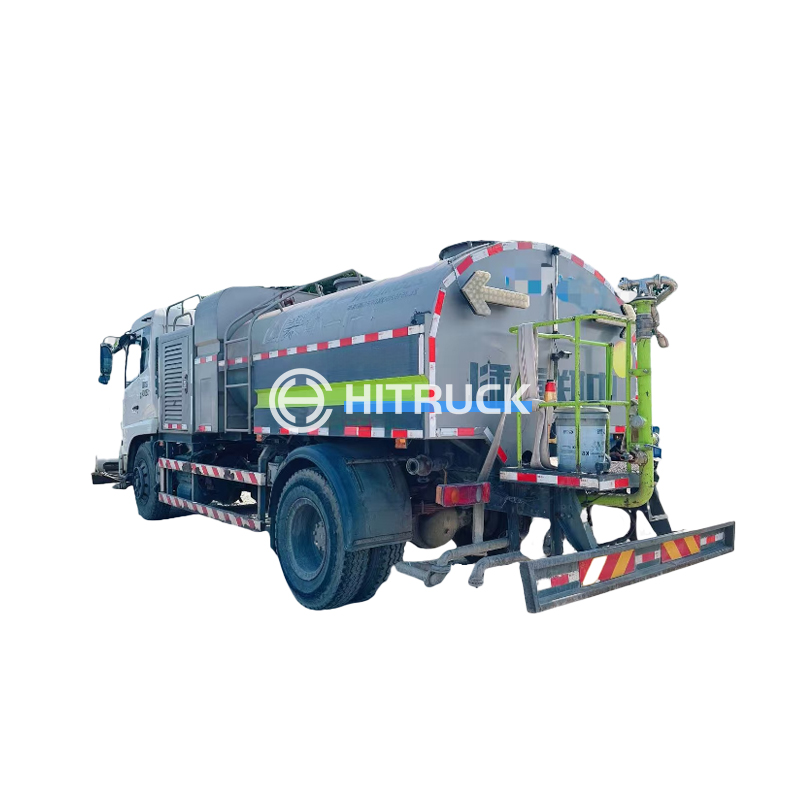
Wholesale Plastic Fire Truck Manufacturer & Supplier: Sourcing durable, corrosion-resistant firefighting vehicles directly from China’s specialized manufacturing hub. As a leading one-stop service platform, Hitruckmall connects global buyers with high-quality plastic tank fire trucks designed for industrial, municipal, and airport applications. Our inventory features advanced polyethylene and fiberglass-reinforced tanks that offer superior chemical resistance and extended service life compared to traditional steel models. By leveraging the industrial ecosystem of Suizhou, Hubei, we provide cost-effective, customized solutions with full lifecycle support, ensuring reliable emergency response capabilities for diverse operational environments.
Understanding the Plastic Fire Truck: Definition and Core Advantages
A plastic fire truck, often referred to as a polymer or composite tank fire appliance, utilizes high-density polyethylene (HDPE) or fiber-reinforced plastic (FRP) for its water and foam tanks instead of traditional carbon steel or stainless steel. This structural shift addresses long-standing issues in firefighting vehicle maintenance, primarily corrosion and weight.
In the context of wholesale procurement, understanding the material science behind these vehicles is crucial. The primary advantage lies in the inert nature of plastics against water and many firefighting foams. Unlike steel, which requires regular internal coating inspections and is prone to rust if the protective layer is compromised, plastic tanks remain unaffected by moisture. This characteristic significantly reduces the total cost of ownership (TCO) for fire departments and industrial safety teams.
Furthermore, the manufacturing process allows for seamless tank construction. Traditional steel tanks are welded, creating potential weak points where leaks can develop over time due to vibration and stress. Plastic tanks, often rotomolded or filament-wound, offer a monolithic structure that enhances integrity under dynamic driving conditions. For international buyers seeking reliable special purpose vehicles, this durability translates to fewer maintenance downtimes and higher operational readiness.
Key Material Differences: HDPE vs. FRP vs. Steel
When evaluating suppliers, it is essential to distinguish between the types of “plastic” used. Not all composite materials offer the same performance metrics. Below is a technical comparison to guide your sourcing decisions:
| Feature | HDPE (High-Density Polyethylene) | FRP (Fiberglass Reinforced Plastic) | Traditional Steel |
| Corrosion Resistance | Excellent (Immune to rust) | Excellent (Chemical resistant) | Poor (Requires coating/maintenance) |
| Weight | Lightweight (Improves payload) | Moderate | Heavy (Reduces water capacity) |
| Impact Resistance | High (Flexible) | Moderate (Can crack on severe impact) | High (But prone to denting/rust) |
| Manufacturing Method | Rotational Molding | Filament Winding | Welding |
| Lifespan | 15-20+ years | 15-20+ years | 10-15 years (with maintenance) |
This table highlights why many modern fleets are transitioning to composite materials. For wholesalers and distributors, offering plastic tank options provides a competitive edge in markets with high humidity or coastal salinity, where steel degradation is accelerated.
Why Choose Hitruckmall for Wholesale Plastic Fire Trucks?
Sourcing special purpose vehicles from China requires a partner who understands both manufacturing quality and international logistics. Hitruckmall operates as a premier one-stop service platform for special vehicles, managed by Suizhou Haicang Automobile Sales Co., LTD. Based in Suizhou, Hubei—recognized globally as the “capital of China’s special purpose vehicles”—we are strategically positioned at the heart of the industry.
Our model differs from traditional trading companies. We do not merely broker deals; we integrate resources from China’s leading OEMs, authorized dealers, and spare parts manufacturers. This integration builds a complete industrial chain covering new car manufacturing, second-hand car trading, and lifetime spare parts supply. For buyers of plastic fire trucks, this means:
- Direct Access to Manufacturing Hubs: We leverage local proximity to top-tier chassis manufacturers and tank fabricators, ensuring competitive pricing without compromising quality.
- Customized Solutions: Different regions have different regulatory standards (e.g., NFPA in the US, EN in Europe, or local standards in Africa and Southeast Asia). We customize tank capacities, pump specifications, and chassis configurations to meet specific regional compliance needs.
- Digital Integration: Through our digital platform, clients can track production progress, verify specifications, and manage documentation efficiently, reducing the opacity often associated with cross-border B2B transactions.
- Cost-Effectiveness: By consolidating orders and optimizing supply chain logistics, we deliver highly reliable special vehicles at price points that enhance your margin or budget efficiency.
Global partners are cordially invited to visit our facilities in Suizhou to inspect our quality control processes and discuss how we can expand business opportunities together.
Technical Specifications and Customization Options
A plastic fire truck is not a standalone product but a system integrated onto a robust chassis. The performance of the vehicle depends on the synergy between the tank material, the pumping system, and the chassis capability. When requesting a quote, consider the following core components.
Chassis Selection
The chassis serves as the foundation. Common choices for plastic tank fire trucks include:
- Light Duty (4×2): Ideal for narrow urban streets, industrial parks, and initial attack vehicles. Capacities typically range from 2,000 to 5,000 liters.
- Medium Duty (4×4 or 6×4): Suitable for rural firefighting and forest fire suppression. These offer better off-road capability and carry 5,000 to 10,000 liters.
- Heavy Duty (8×4 or 10×4): Designed for large-scale industrial fires or airport crash tenders (though airport tenders often use specialized aluminum or composites). Capacities exceed 10,000 liters.
We partner with major chassis manufacturers to ensure that the weight distribution accounts for the lighter plastic tank, allowing for either increased water capacity or improved fuel efficiency compared to steel equivalents.
Pump and Piping Systems
The tank material does not affect the pump type, but the overall vehicle design must accommodate the piping layout. Standard configurations include:
- Mid-ship Pumps: Mounted behind the cab for easy access and balanced weight distribution.
- Rear-mounted Pumps: Common in smaller rapid intervention vehicles.
- Flow Rates: Ranging from 30 L/s for basic models to over 100 L/s for heavy industrial units.
- Material: Pumps are typically bronze or stainless steel to resist corrosion, complementing the plastic tank’s durability.
Tank Capacity and Compartmentalization
One of the benefits of plastic molding is the ability to create complex internal baffles. These baffles reduce liquid surge (sloshing) during transit, enhancing vehicle stability. We can customize tanks to include separate compartments for:
- Fresh Water: For direct fire suppression.
- Foam Concentrate: Integrated AFFF (Aqueous Film Forming Foam) tanks for flammable liquid fires.
- Dry Powder: In combined units for hazardous material responses.
Application Scenarios for Plastic Tank Fire Trucks
Understanding where these vehicles perform best helps in targeting the right market segments. The unique properties of plastic tanks make them ideal for specific environments.
1. Coastal and Marine Environments
Salt air accelerates the corrosion of steel tanks and external bodywork. Plastic fire trucks are immune to saltwater corrosion, making them the preferred choice for port authorities, coastal municipalities, and offshore support vehicles. The lack of internal rust also prevents contamination of the water supply with iron oxide, which can clog nozzles and pumps.
2. Chemical Industrial Parks
Industrial facilities often deal with corrosive substances. While the primary tank holds water, the exterior and piping may be exposed to chemical fallout. HDPE and FRP materials offer superior resistance to a wide range of acids and alkalis compared to painted steel. Additionally, the lightweight nature allows for larger foam capacities without exceeding axle weight limits.
3. Rural and Forestry Services
Rural fire brigades often operate on limited budgets and require low-maintenance vehicles. A plastic tank fire truck eliminates the need for annual tank lining inspections and repairs. The reduced weight also improves mobility on unpaved or soft terrain, a common challenge in forestry operations.
4. Airport Support Vehicles
While large crash tenders use specialized designs, smaller airport rapid intervention vehicles (RIVs) benefit from plastic tanks. The quick deployment and reliability are critical in aviation safety. The smooth interior surface of plastic tanks ensures faster drainage and cleaning, essential for maintaining hygiene and preventing bacterial growth in stagnant water.
Step-by-Step Guide to Importing Plastic Fire Trucks from China
Importing specialized vehicles involves regulatory compliance and logistical planning. Follow this structured approach to ensure a smooth procurement process with Hitruckmall.
Step 1: Define Operational Requirements
Determine the required water capacity, chassis type (LHD/RHD), and emission standards (Euro 5, Euro 6, or local equivalents). Identify if you need additional equipment such as fire monitors, hoses, or rescue tools.
Step 2: Regulatory Compliance Check
Verify the import regulations in your country. Some regions require specific certifications for firefighting equipment. Our team assists in ensuring the vehicle meets basic international safety standards and can provide necessary documentation for homologation.
Step 3: Request a Customized Quote
Contact Hitruckmall with your specifications. We will provide a detailed proposal including chassis brand, tank material details, pump specifications, and FOB/CIF pricing. We transparently outline costs for the vehicle, spare parts kit, and shipping.
Step 4: Production and Quality Inspection
Once the order is confirmed, production begins. We encourage third-party inspections or virtual video inspections during key stages: chassis assembly, tank installation, and final testing. Every vehicle undergoes rigorous water pressure tests and pump performance checks before shipment.
Step 5: Logistics and Delivery
We handle the export customs clearance and arrange shipping via Ro-Ro (Roll-on/Roll-off) or Flat Rack containers, depending on the vehicle size. We provide all necessary bills of lading and certificates of origin to facilitate smooth customs clearance at the destination port.
Maintenance Best Practices for Plastic Fire Tanks
While plastic tanks are low-maintenance, proper care extends their lifespan and ensures operational safety. Here are expert recommendations for fleet managers.
- Regular Cleaning: Although plastic resists algae better than steel, periodic flushing with clean water is recommended, especially if the vehicle uses untreated water sources. Avoid using abrasive cleaners that could scratch the interior surface.
- UV Protection: Most HDPE tanks are treated with UV stabilizers. However, parking in shaded areas or using protective covers when possible can prevent long-term surface chalking or fading.
- Inspection of Fittings: The tank itself may be durable, but the metal fittings (inlets, outlets, drains) should be inspected regularly for tightness and corrosion. Use thread sealants compatible with plastic materials.
- Avoid Over-pressurization: Ensure pressure relief valves are functional. While plastic is flexible, excessive internal pressure from pump backflow can cause deformation.
- Winterization: In freezing climates, ensure the tank is completely drained when not in use. Although plastic is less likely to burst than steel, ice expansion can still stress the mounting brackets and connections.
Frequently Asked Questions (FAQ)
Is a plastic fire truck as durable as a steel one?
Yes, in terms of corrosion resistance, it is superior. Plastic tanks do not rust, which is the primary cause of failure in steel tanks. While steel has higher impact resistance against sharp objects, modern HDPE and FRP tanks are engineered to withstand significant physical stress and vibration without cracking.
Can plastic tanks handle hot water?
Standard HDPE tanks are designed for ambient temperature water. For applications involving hot water or steam, specialized high-temperature resistant composites or stainless steel options are recommended. Always specify the intended water temperature when requesting a quote.
What is the lead time for manufacturing a custom plastic fire truck?
Typically, the production cycle ranges from 30 to 45 days after deposit confirmation, depending on the complexity of customization and chassis availability. Hitruckmall’s efficient supply chain in Suizhou allows for streamlined production scheduling.
Do you provide spare parts and after-sales support?
Absolutely. As a one-stop service platform, Hitruckmall ensures a complete supply of spare parts for the whole life cycle of the vehicle. We can ship critical components like pump seals, valves, and electrical parts globally, minimizing downtime for your fleet.
How does the weight savings affect performance?
A plastic tank can weigh up to 30-40% less than an equivalent steel tank. This weight reduction allows for a larger water payload within the same legal axle weight limits, or improved fuel efficiency and handling dynamics for the driver.
Conclusion: Partnering for Reliable Fire Safety Solutions
Investing in a wholesale plastic fire truck is a strategic decision that balances upfront cost with long-term reliability. The shift towards composite materials reflects an industry-wide recognition of the need for lower maintenance, higher corrosion resistance, and optimized payload capacity. Whether you are equipping a municipal fire department, an industrial safety team, or a rural volunteer brigade, the durability of HDPE and FRP tanks offers undeniable advantages.
At Hitruckmall, we combine the manufacturing prowess of Suizhou’s special vehicle industry with a customer-centric service model. We do not just sell trucks; we provide tailored solutions that meet your specific operational and regulatory requirements. From chassis selection to final delivery, our integrated approach ensures transparency, quality, and value.
For businesses looking to expand their fleet with cost-effective, high-performance firefighting vehicles, partnering with a knowledgeable supplier is key. We invite you to explore our range of special purpose vehicles and discover how our expertise can support your safety objectives.
Ready to optimize your firefighting fleet? Contact Hitruckmall today for a detailed consultation, customized quote, or to schedule a virtual tour of our manufacturing partners. Let us help you secure the right equipment for your needs.
→ Explore Our Full Range of Special Purpose Vehicles & Technical Solutions