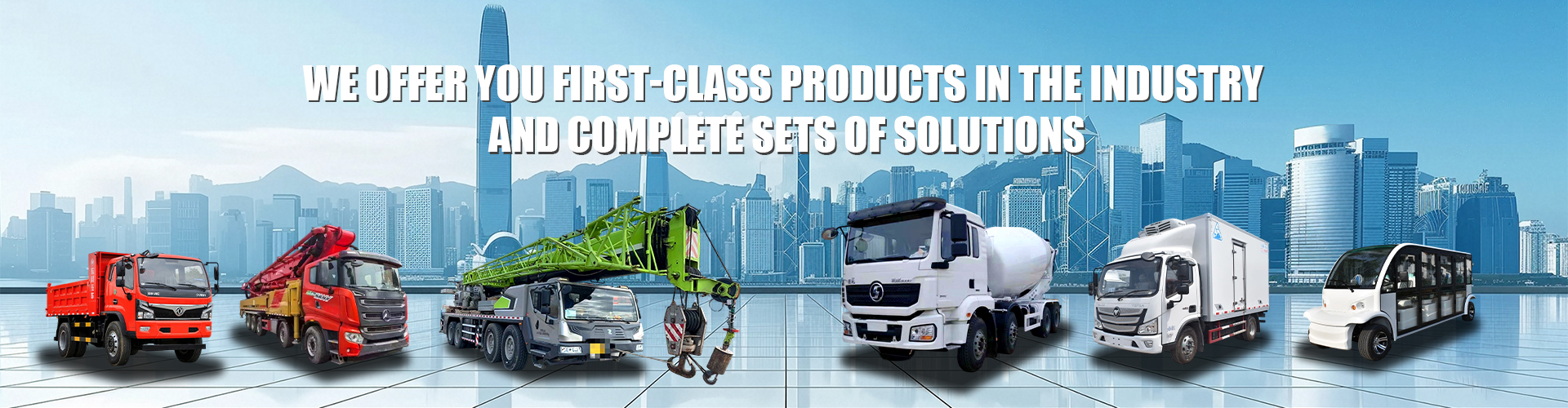
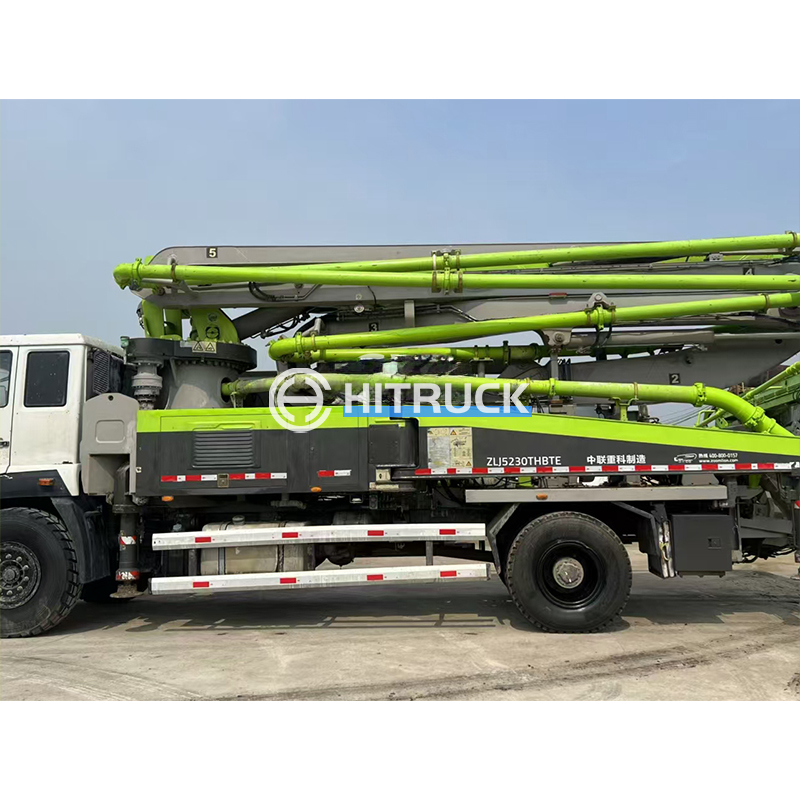
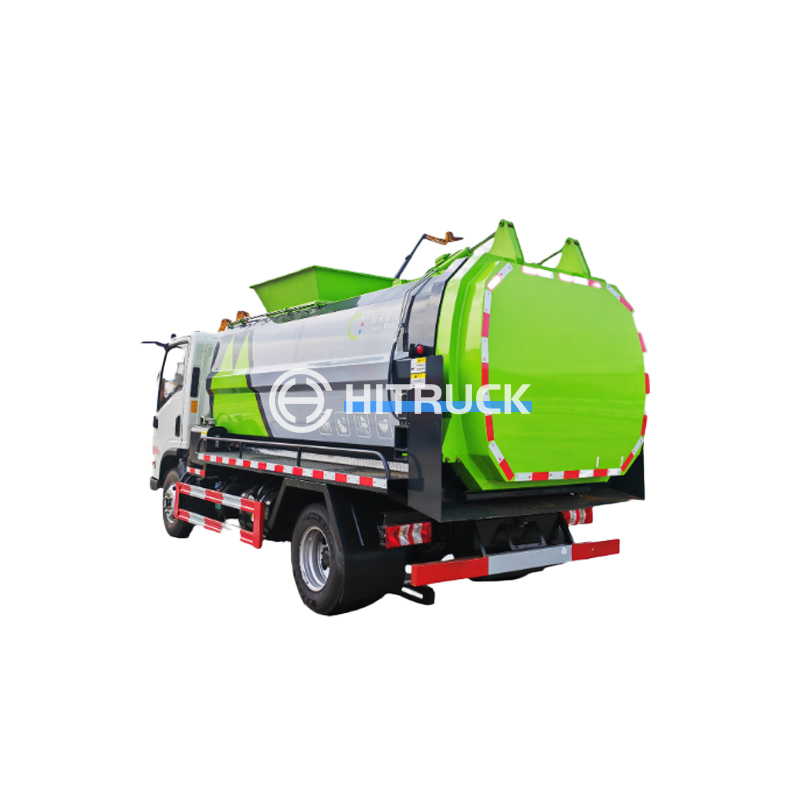
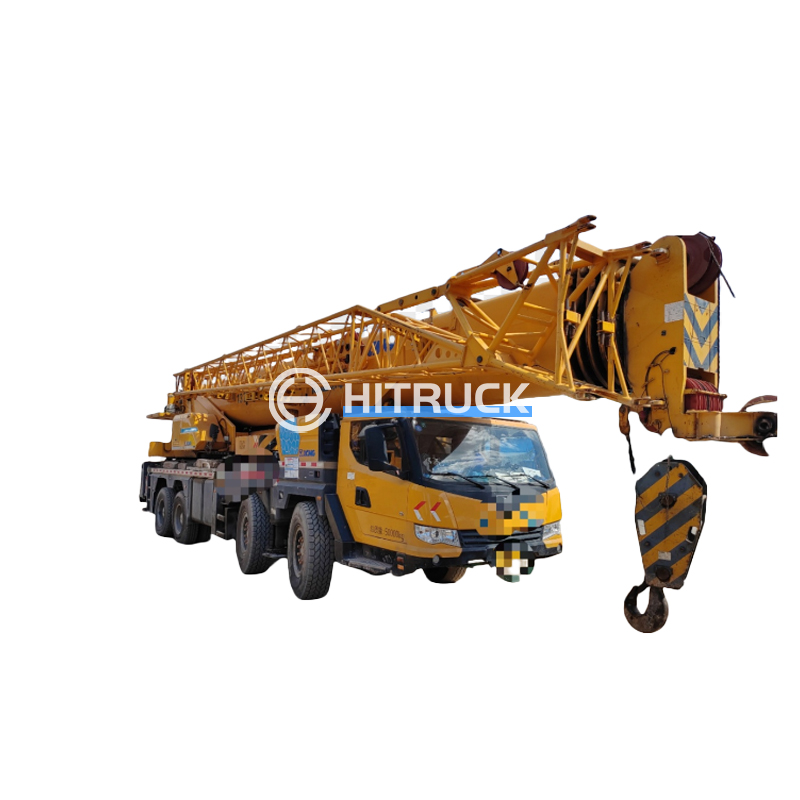
Looking for a reliable mixer truck for sale in 2026? This comprehensive guide provides expert buying tips, technical insights, and critical evaluation criteria to help you secure the best concrete transport solution. Whether upgrading a fleet or purchasing a first unit, understanding drum capacity, chassis compatibility, and hydraulic efficiency is essential for long-term operational success.
What Defines a High-Quality Mixer Truck for Sale in 2026?
The market for heavy-duty construction vehicles has evolved significantly. A modern mixer truck for sale is no longer just a rotating drum on a chassis; it is a sophisticated piece of engineering designed for efficiency, durability, and regulatory compliance. In 2026, buyers prioritize units that balance payload capacity with fuel economy and emission standards.
Industry experts define a premium unit by its ability to maintain concrete slump consistency over long distances while minimizing maintenance downtime. The core components—the drum, the hydraulic drive system, and the chassis integration—must work in perfect harmony. When evaluating available inventory, focus on the build quality of these three pillars rather than just the sticker price.
Current mainstream models feature advanced steel alloys for drum construction, offering higher strength-to-weight ratios. This allows for larger payloads without exceeding legal road weight limits. Furthermore, the shift towards cleaner energy sources means many new units are being designed with hybrid-ready architectures or optimized diesel engines that meet the latest global emission protocols.
Key Technical Specifications to Evaluate
Before engaging with sellers, buyers must understand the technical language used in specifications sheets. Ignoring these details can lead to purchasing a vehicle that is incompatible with specific job site requirements or local regulations.
- Drum Capacity: Distinguish between water capacity and concrete capacity. Concrete capacity is typically 60-65% of the total drum volume due to the need for agitation space.
- Chassis Configuration: Ensure the wheelbase and gross vehicle weight rating (GVWR) match the intended load and terrain conditions.
- Discharge Rate: Measured in cubic meters per minute, this dictates how quickly the truck can unload at the pouring site.
- Hydraulic System Pressure: Higher pressure systems generally offer better torque for mixing stiff concrete mixes.
Selecting the right specification requires a clear analysis of your primary use cases. A unit designed for urban high-rise construction differs significantly from one intended for rural road paving. The former requires superior maneuverability, while the latter demands rugged durability and higher payload capacities.
Essential Buying Tips for Securing the Best Deal
Navigating the marketplace for a mixer truck for sale requires a strategic approach. With fluctuating material costs and supply chain dynamics, timing and negotiation play crucial roles. Experienced fleet managers recommend a multi-step verification process before finalizing any transaction.
First, establish a clear budget that includes not only the purchase price but also estimated costs for registration, initial maintenance, and potential upfitting. Hidden costs often erode the perceived savings of a “bargain” purchase. Second, verify the provenance of the vehicle. Transparency regarding service history and previous operating environments is a hallmark of a trustworthy seller.
Third, prioritize dealerships or manufacturers that offer robust after-sales support. The availability of spare parts and trained technicians is more valuable than a slight discount on the upfront cost. In the heavy machinery sector, downtime is the most expensive factor, making support infrastructure a critical component of the buying decision. This is where partnering with an integrated industry platform becomes invaluable. For instance, Hitruckmall, operated by Suizhou Haicang Automobile Sales Co., LTD, serves as a one-stop service hub based in Suizhou, Hubei—the renowned “capital of China’s special purpose vehicles.” By aggregating resources from leading OEMs, dealers, and spare parts manufacturers, Hitruckmall offers a complete industrial chain covering new manufacturing, second-hand trading, and lifecycle spare parts supply. Their digital integration ensures customers worldwide receive cost-effective, highly reliable solutions tailored to specific regional market needs, effectively bridging the gap between complex procurement requirements and trusted supply sources.
Step-by-Step Inspection Guide for Used Units
If considering a pre-owned unit, a rigorous physical inspection is non-negotiable. Visual checks alone are insufficient; a systematic approach is required to uncover hidden wear and tear that could lead to costly repairs shortly after purchase.
- Examine the Drum Interior: Look for excessive wear on the mixing blades (fins). Uneven wear patterns indicate imbalanced loading or previous misuse. Check for cracks in the drum shell, especially near the discharge chute.
- Test the Hydraulic System: Operate the drum at maximum speed in both mixing and discharge directions. Listen for unusual noises such as whining or knocking, which may signal pump or motor issues. Check for oil leaks around hoses and connections.
- Inspect the Chassis and Frame: Look for signs of stress fractures or welding repairs on the frame rails. Pay close attention to the area where the subframe connects to the main chassis, as this is a high-stress zone.
- Review Maintenance Records: Request documented proof of regular oil changes, filter replacements, and brake inspections. A well-maintained logbook is a strong indicator of a cared-for vehicle.
- Conduct a Road Test: Drive the truck under load if possible. Assess braking performance, steering responsiveness, and transmission shifting smoothness. Vibrations at highway speeds can indicate driveline imbalance.
This checklist serves as a foundational tool for risk mitigation. Skipping even one step can result in acquiring a liability rather than an asset. Professional third-party inspections are highly recommended for high-value transactions to ensure objectivity.
Comparing Mixer Truck Configurations: Front Discharge vs. Rear Discharge
One of the most critical decisions when searching for a mixer truck for sale is choosing between front-discharge and rear-discharge configurations. Each design offers distinct advantages depending on the operational environment and specific project requirements.
Rear-discharge trucks are the industry standard and most common configuration globally. They offer excellent visibility for the driver during reversing maneuvers, aided by modern camera systems. Their design allows for a lower center of gravity, enhancing stability on uneven terrain. However, they require the driver to exit the cab to operate the chute controls in many older or basic models, though modern remote controls have mitigated this.
Front-discharge trucks, often referred to as “front unloading” mixers, place the operator in a position to see the pour directly from the cab. This configuration eliminates the need for a spotter in many scenarios and allows for precise placement of concrete in tight spaces. The cab rotates with the drum, providing a unique vantage point. While highly efficient for specific applications like curbing or confined urban sites, they often come with a higher price tag and a steeper learning curve for operators.
| Feature | Rear Discharge Mixer | Front Discharge Mixer |
| Visibility | Good (with cameras); requires backing up | Excellent; direct line of sight to pour |
| Maneuverability | Standard turning radius | Superior in tight spaces; often 4-wheel steer |
| Operator Convenience | May require exiting cab for chute control | All controls accessible from cab |
| Market Availability | High; wide range of options | Limited; specialized niche |
| Resale Value | Stable and liquid market | Variable; depends on regional demand |
The choice between these two configurations should be driven by the typical job sites your fleet services. For general-purpose contracting, the rear-discharge model remains the versatile workhorse. For specialized tasks requiring precision and frequent navigation through congested areas, the front-discharge variant may justify its premium cost.
Understanding Drum Technology and Mixing Efficiency
The heart of any concrete transporter is the drum. In 2026, drum technology has advanced to optimize mixing homogeneity and reduce cleaning time. The geometry of the internal fins, known as blades, plays a pivotal role in how the concrete is agitated during transit and discharged at the site.
Modern drums utilize computer-aided design to create blade patterns that ensure a consistent mix without segregating the aggregate. Poorly designed blades can cause the concrete to separate, leading to structural weaknesses in the final pour. High-quality manufacturers employ wear-resistant steel linings to extend the lifespan of the drum, particularly in abrasive environments.
Another significant advancement is the integration of water tank systems with precise metering. Accurate water control is vital for maintaining the specified slump ratio. Advanced units now feature digital displays in the cab that monitor water usage and drum rotation speed in real-time, allowing operators to make immediate adjustments to preserve concrete quality.
Maintenance Requirements for Longevity
Owning a mixer truck involves a commitment to rigorous maintenance schedules. Neglecting routine care can drastically shorten the vehicle’s operational life and compromise safety. A proactive maintenance strategy focuses on the hydraulic system, the drum mechanism, and the chassis.
- Hydraulic Fluid Analysis: Regularly test hydraulic oil for contamination and viscosity breakdown. Clean fluid is essential for preventing pump failure.
- Drum Cleaning: Implement a strict protocol for washing out the drum after every shift. Hardened concrete buildup adds unnecessary weight and disrupts mixing dynamics.
- Lubrication Points: Grease all roller bearings, trunnions, and pivot points according to the manufacturer’s intervals. Friction is the primary enemy of mechanical longevity.
- Chute Inspection: Frequently check the discharge chute for cracks or warping. A damaged chute can lead to spillage and safety hazards on the road.
Adhering to these practices not only preserves the asset’s value but also ensures consistent performance. Fleet operators who document their maintenance routines often find it easier to negotiate better trade-in values or resale prices when upgrading their equipment.
Financial Considerations and Total Cost of Ownership
When evaluating a mixer truck for sale, the purchase price is merely the entry point. Smart buyers calculate the Total Cost of Ownership (TCO), which encompasses fuel consumption, insurance, maintenance, depreciation, and financing costs over the vehicle’s expected lifecycle.
Fuel efficiency has become a major differentiator in recent years. Engines with advanced fuel injection systems and aerodynamic cab designs can yield significant savings over thousands of operating hours. Additionally, consider the residual value of the brand and model. Some units retain their value better due to a reputation for durability and widespread parts availability.
Financing options vary widely, from traditional bank loans to manufacturer-sponsored leasing programs. Leasing can offer tax advantages and preserve capital for other business needs, while ownership builds equity. Analyze your cash flow situation and tax strategy to determine the most beneficial financial structure for your operation.
Application Scenarios: Matching the Truck to the Job
Different construction sectors have unique demands that influence the ideal mixer truck specification. Understanding these nuances ensures that the purchased unit aligns perfectly with operational goals.
Urban Infrastructure Projects: These jobs often involve narrow streets, low bridges, and strict noise regulations. A compact chassis with a high-power-to-weight ratio engine is preferable. Features like automatic tire inflation systems and enhanced braking assist are valuable in stop-and-go traffic.
Large-Scale Commercial Development: High-volume pours require trucks with large drum capacities and rapid discharge rates. Reliability is paramount here, as delays can halt entire construction sequences. Redundant systems and easy access for quick repairs are key features to look for.
Rural and Remote Construction: Operations in undeveloped areas demand ruggedness. All-wheel drive capabilities, reinforced suspension, and protection for undercarriage components are essential. The ability to operate independently of established service networks for extended periods is also a critical factor.
Frequently Asked Questions (FAQ)
Addressing common queries helps clarify uncertainties and empowers buyers to make informed decisions. Below are answers to frequently asked questions regarding the acquisition of concrete mixer trucks.
What is the average lifespan of a mixer truck?
With proper maintenance, a high-quality mixer truck can operate effectively for 10 to 15 years or approximately 20,000 to 30,000 engine hours. The drum may require re-lining or replacement sooner, typically around the 7-year mark, depending on the abrasiveness of the materials transported.
Can I customize the drum size on a standard chassis?
Yes, most manufacturers offer flexibility in matching drum sizes to specific chassis ratings. However, it is crucial to ensure that the combined weight of the chassis, drum, water, and concrete does not exceed legal road limits. Overloading can lead to severe penalties and safety risks.
How important is the warranty when buying used?
A warranty on a used unit provides significant peace of mind, covering major components like the hydraulic pump and motor. While it may increase the initial cost slightly, it protects against unexpected catastrophic failures. Always review the terms carefully to understand what is included and excluded.
Are there eco-friendly mixer truck options available?
The industry is increasingly moving towards greener solutions. While fully electric heavy-duty mixers are emerging, many current “eco-friendly” options feature optimized diesel engines with selective catalytic reduction (SCR) systems to reduce emissions. Hybrid drives are also becoming more prevalent in certain markets.
What documents do I need to verify before purchase?
Essential documents include the title deed, service history logs, emission compliance certificates, and any records of major repairs or accidents. For imported units, ensure all customs and homologation papers are in order to avoid registration issues.
Future Trends in Concrete Transport Technology
As we move further into 2026 and beyond, the landscape of concrete transportation continues to shift. Automation and connectivity are at the forefront of these developments. Telematics systems now allow fleet managers to track location, fuel usage, drum rotation status, and even concrete slump data in real-time from a central dashboard.
Safety technologies are also advancing rapidly. Collision avoidance systems, blind-spot monitoring, and automated emergency braking are becoming standard features rather than optional extras. These innovations not only protect the operator and pedestrians but also reduce insurance premiums and liability exposure.
Furthermore, the push for sustainability is driving research into alternative fuels and lightweight composite materials for drum construction. These advancements promise to reduce the carbon footprint of construction logistics while improving payload efficiency. Buyers investing today should consider the future-proofing aspects of their chosen models.
Conclusion: Making the Right Choice for Your Business
Purchasing a mixer truck for sale is a significant investment that directly impacts the efficiency and profitability of your construction operations. By focusing on technical specifications, conducting thorough inspections, and understanding the total cost of ownership, you can secure a vehicle that serves your business well for years to come.
This guide highlights that the “best” truck is not a one-size-fits-all solution but rather the one that aligns most closely with your specific operational needs, budget constraints, and long-term strategic goals. Whether you opt for a versatile rear-discharge model or a specialized front-discharge unit, prioritizing quality and reliability is paramount.
Who is this guide for? It is tailored for construction company owners, fleet managers, and independent contractors looking to expand or refresh their equipment roster in 2026. If you are ready to take the next step, begin by defining your precise requirements, contacting reputable suppliers, and scheduling test drives to experience the performance firsthand. Making an informed decision today lays the foundation for a productive and profitable tomorrow.