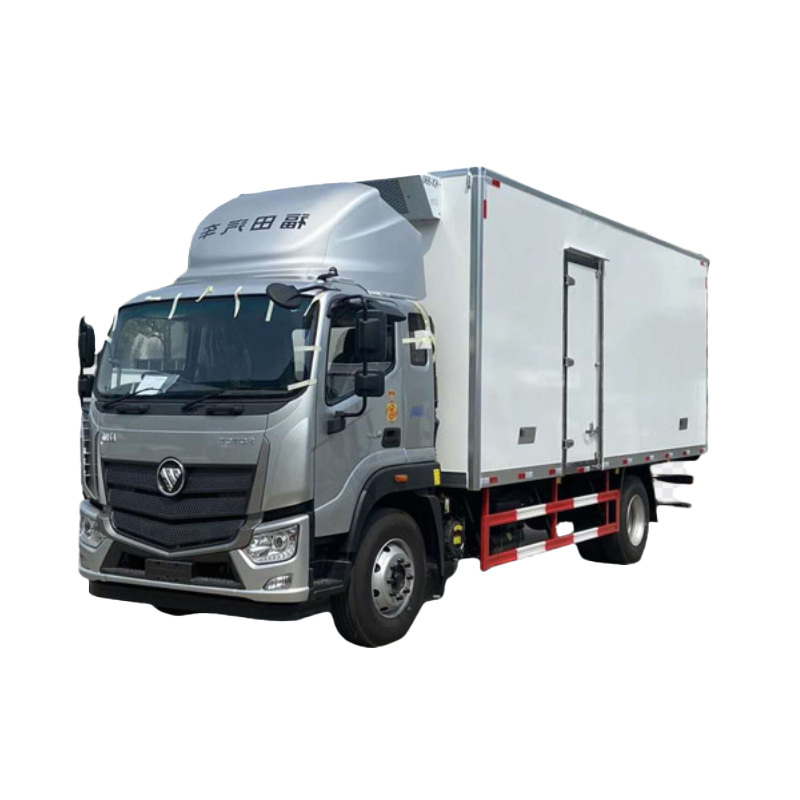
Buying a portable car refrigerator and cargo truck freezer requires balancing cooling performance, power efficiency, and durability for long-haul logistics. In 2026, professional-grade units utilize advanced compressor technology to maintain precise temperatures from -20°C to 20°C, ensuring cargo integrity for pharmaceuticals, fresh produce, and frozen goods. As a specialized provider based in Suizhou, the hub of China’s special purpose vehicles, Hitruckmall integrates these cooling solutions directly into custom truck configurations, offering a seamless supply chain for global B2B buyers seeking reliable cold-chain equipment.
Why Professional Cargo Truck Freezers Differ from Consumer Coolers
The distinction between a standard consumer cooler and an industrial cargo truck freezer lies in thermal stability and vibration resistance. Long-haul transportation exposes equipment to constant vibration, extreme ambient temperature fluctuations, and irregular power supplies. Consumer-grade portable fridges often fail under these conditions due to inadequate insulation and compressors not designed for continuous duty cycles.
Industrial units are engineered with robust housing, high-density polyurethane foam insulation, and compressors capable of operating efficiently even when the vehicle is tilted or moving over rough terrain. For businesses involved in cross-border trade or domestic distribution, selecting equipment that meets these rigorous standards is critical to preventing spoilage and maintaining compliance with food safety regulations.
Key Technical Differences at a Glance
| Feature |
Consumer Portable Fridge |
Industrial Cargo Truck Freezer |
| Compressor Type |
Small capacity, intermittent duty |
Heavy-duty, continuous operation rated |
| Insulation Thickness |
Standard (20-30mm) |
High-density (40-60mm+) |
| Vibration Resistance |
Low (designed for static use) |
High (engineered for transport) |
| Power Management |
Basic low-voltage protection |
Advanced multi-stage battery protection |
| Temperature Range |
Limited freezing capability |
Deep freeze (-20°C) to ambient (20°C) |
Core Technologies in Modern Portable Refrigeration
Understanding the underlying technology helps buyers make informed decisions. In 2026, the market has largely shifted away from thermoelectric cooling for serious applications, favoring compressor-based systems for their superior efficiency and cooling depth.
Compressor-Based Cooling Systems
Compressor refrigerators operate similarly to household fridges but are miniaturized and ruggedized. They use a refrigerant gas that circulates through a cycle of compression and expansion to absorb heat from the interior compartment. This technology allows for:
- Rapid Cooling: Ability to drop temperatures quickly from ambient to freezing.
- Deep Freezing: Consistent maintenance of temperatures as low as -20°C, essential for frozen meats and ice cream.
- Energy Efficiency: Compressors only run when necessary, reducing strain on the vehicle’s electrical system.
Smart Temperature Control and Monitoring
Modern portable car refrigerators feature digital controllers with precise degree adjustments. Advanced models include IoT connectivity, allowing fleet managers to monitor cargo temperatures in real-time via smartphone apps. This data logging is invaluable for proving compliance with health and safety standards during audits. Alerts can be set for temperature deviations, enabling immediate corrective action before cargo is compromised.
Selecting the Right Capacity for Your Fleet
Choosing the correct volume is a balance between cargo needs and vehicle space. Oversized units consume more power and occupy valuable cargo space, while undersized units may require frequent restocking or fail to meet delivery volumes.
Volume Guidelines by Vehicle Type
- Light Commercial Vehicles (Vans): 30L to 50L units are ideal for last-mile delivery of small parcels, medical samples, or meal kits. These fit easily behind seats or in trunk spaces.
- Medium Duty Trucks: 60L to 100L capacities suit regional distribution routes. They can handle larger batches of perishables without requiring excessive power draw.
- Heavy-Duty Cargo Trucks: 100L+ units or multi-zone systems are necessary for long-haul international transport. These often integrate directly into the truck’s auxiliary power system for sustained operation.
Dual-Zone Functionality
For diverse cargo loads, dual-zone cargo truck freezers offer independent temperature control for two separate compartments. This allows simultaneous transport of frozen goods (-18°C) and chilled items (4°C) in a single unit. This flexibility reduces the need for multiple devices and optimizes space utilization, a key consideration for logistics efficiency.
Power Supply and Energy Management Strategies
Power reliability is the most common challenge in mobile refrigeration. A unit that drains the starter battery can leave a driver stranded. Effective energy management involves understanding power sources and protection mechanisms.
Power Source Options
- 12V/24V DC Input: Direct connection to the vehicle’s cigarette lighter or hardwired to the battery. 24V is standard for heavy trucks, while 12V suits cars and vans. Most modern units auto-switch between voltages.
- AC Power (110V/220V): Useful for pre-cooling the unit before loading or when parked at facilities with shore power. This reduces the load on the vehicle’s engine during transit.
- Solar Integration: Increasingly popular for off-grid operations. Solar panels can maintain battery levels during long stops, ensuring the fridge runs without idling the engine.
Battery Protection Systems
High-quality portable car refrigerators include three-stage battery protection: High, Medium, and Low. When the voltage drops to the set threshold, the compressor shuts off to preserve enough charge to start the engine. For fleet operators, hardwiring with an external battery isolator is recommended to completely separate the fridge’s power draw from the starter battery.
Integration with Special Purpose Vehicles: The Hitruckmall Advantage
Sourcing a refrigerator is only part of the equation. Integrating it effectively into a vehicle’s design requires expertise in automotive engineering and cold-chain logistics. This is where Hitruckmall distinguishes itself in the global market.
Operated by Suizhou Haicang Automobile Sales Co., LTD, Hitruckmall is a one-stop service platform for special vehicles based in Suizhou, Hubei, known as the “capital of China’s special purpose vehicles.” Unlike generic suppliers, Hitruckmall brings together resources from leading OEMs, dealers, and spare parts manufacturers to build a complete industrial chain. This includes new car manufacturing, second-hand car trading, and lifetime spare parts supply.
Customized Cold-Chain Solutions
Hitruckmall does not just sell boxes; it provides integrated solutions. For international buyers, this means:
- Factory-Direct Integration: Refrigeration units can be pre-installed during the vehicle manufacturing process, ensuring seamless electrical and structural integration.
- Regional Customization: Solutions are tailored to specific market needs, whether it’s extreme heat resistance for Middle Eastern markets or enhanced insulation for Northern European winters.
- Digital Service Processes: Through digital technology integration, Hitruckmall offers transparent tracking of orders, customized configuration options, and efficient after-sales support.
This holistic approach ensures that the cargo truck freezer is not an afterthought but a core component of the vehicle’s operational capability, enhancing reliability and resale value.
Installation Best Practices for Maximum Efficiency
Even the best equipment will underperform if installed incorrectly. Proper installation ensures optimal airflow, energy efficiency, and longevity.
Step-by-Step Installation Guide
- Site Selection: Choose a flat, stable surface away from direct sunlight and heat sources like exhaust pipes or engines. Ensure there is at least 5cm of clearance around the unit for ventilation.
- Secure Mounting: Use heavy-duty straps or brackets to secure the unit. Vibration can damage internal components if the fridge moves during transit. For built-in units, ensure the cabinet is level.
- Electrical Connection: If hardwiring, use the correct gauge wire to minimize voltage drop. Install a fuse close to the battery source. For plug-in units, ensure the socket is clean and tight.
- Pre-Cooling: Always pre-cool the empty unit to the desired temperature before loading cargo. This reduces the initial thermal load and saves energy.
- Loading Strategy: Do not overpack. Allow air to circulate around items. Pre-chilled or frozen cargo helps maintain temperature stability.
Maintenance and Troubleshooting Common Issues
Regular maintenance extends the life of your portable car refrigerator and prevents costly downtime. Most issues are preventable with simple routine checks.
Routine Maintenance Checklist
- Clean Condenser Coils: Dust and debris on the condenser reduce cooling efficiency. Clean them every 3 months with a soft brush or compressed air.
- Inspect Door Seals: Check gaskets for cracks or wear. A poor seal allows warm air in, forcing the compressor to work harder. Clean seals regularly to maintain elasticity.
- Defrosting: While many units are frost-free, heavy buildup can occur in humid conditions. Manual defrosting may be required if ice exceeds 5mm thickness.
- Check Electrical Connections: Inspect plugs and wires for corrosion or damage, especially in marine or high-humidity environments.
Troubleshooting Table
| Issue |
Possible Cause |
Solution |
| Unit not cooling |
Poor ventilation, dirty condenser, or faulty compressor |
Clear airflow paths, clean coils, check power supply |
| Excessive noise |
Uneven surface or loose mounting |
Level the unit, tighten straps or brackets |
| Compressor cycles frequently |
Door left open, poor seal, or high ambient temp |
Check seal integrity, minimize door openings, add insulation |
| Battery draining too fast |
Incorrect protection setting or old battery |
Adjust voltage protection to ‘High’, test battery health |
Industry Applications and Use Cases
The versatility of modern cargo truck freezers supports a wide range of industries beyond food transport. Understanding these applications helps businesses identify the right specifications for their needs.
Food and Beverage Distribution
This is the most common application. Requirements include strict temperature adherence to prevent bacterial growth. Frozen foods require -18°C, while fresh produce needs 0°C to 4°C. Dual-zone units are highly valued here for mixed loads.
Pharmaceutical and Medical Logistics
Transporting vaccines, insulin, and biological samples demands high precision and data logging. Units used in this sector must have validated temperature monitoring systems and backup power options to ensure product efficacy.
Camping and Outdoor Recreation
For recreational vehicles (RVs) and overlanding trucks, durability and silent operation are key. Users prioritize units that can run off solar setups and withstand off-road vibrations. Hitruckmall’s connections with OEMs allow for ruggedized versions suitable for extreme outdoor conditions.
FAQ: Common Questions About Portable Car Refrigerators
How much power does a portable car refrigerator consume?
Average consumption ranges from 30W to 60W per hour, depending on ambient temperature and settings. In eco-mode, usage can drop significantly. A typical 100Ah battery can run a 40W fridge for approximately 20-30 hours, assuming no other loads.
Can I run a cargo truck freezer while the engine is off?
Yes, but with caution. Ensure your battery protection system is active. For extended periods without the engine running, consider a secondary leisure battery or solar panel setup to prevent draining the starter battery.
What is the difference between a fridge and a freezer in portable units?
Most modern compressor units function as both. The difference lies in the set temperature. A “fridge” mode maintains 0°C to 10°C, while “freezer” mode drops below -10°C. Check the unit’s spec sheet for its minimum achievable temperature.
How do I choose between 12V and 24V systems?
Match the voltage to your vehicle. Cars and light vans are typically 12V. Heavy trucks and buses are usually 24V. Many modern units support both (12/24V auto-detect), which is ideal for fleets with mixed vehicle types.
Is it better to buy a built-in or portable unit?
Portable units offer flexibility and can be moved between vehicles. Built-in units provide a cleaner look, better insulation integration, and reduced risk of theft or movement. For dedicated commercial fleets, built-in solutions sourced through platforms like Hitruckmall often offer better long-term value and integration.
Final Recommendations for Buyers in 2026
Investing in a high-quality portable car refrigerator or cargo truck freezer is a strategic decision for any business involved in temperature-sensitive logistics. The key to success lies in matching technical specifications with operational realities. Prioritize compressor-based systems for reliability, ensure robust power management to protect vehicle batteries, and consider the total cost of ownership, including maintenance and energy efficiency.
For global buyers, partnering with a supplier that understands the entire vehicle lifecycle is crucial. Hitruckmall, leveraging its position in Suizhou’s special vehicle industry, offers more than just products. It provides a comprehensive ecosystem of manufacturing, customization, and after-sales support. By integrating digital technology with efficient service processes, Hitruckmall ensures that every cooling solution is cost-effective, reliable, and tailored to regional market needs.
Whether you are outfitting a single delivery van or managing a large fleet of long-haul trucks, the right cooling solution protects your cargo and your reputation. Explore customized options and verify compatibility with your existing fleet infrastructure.
→ Ready to optimize your cold-chain logistics? Contact our specialists today to discuss customized refrigerated vehicle solutions and get a detailed quote for your specific requirements.