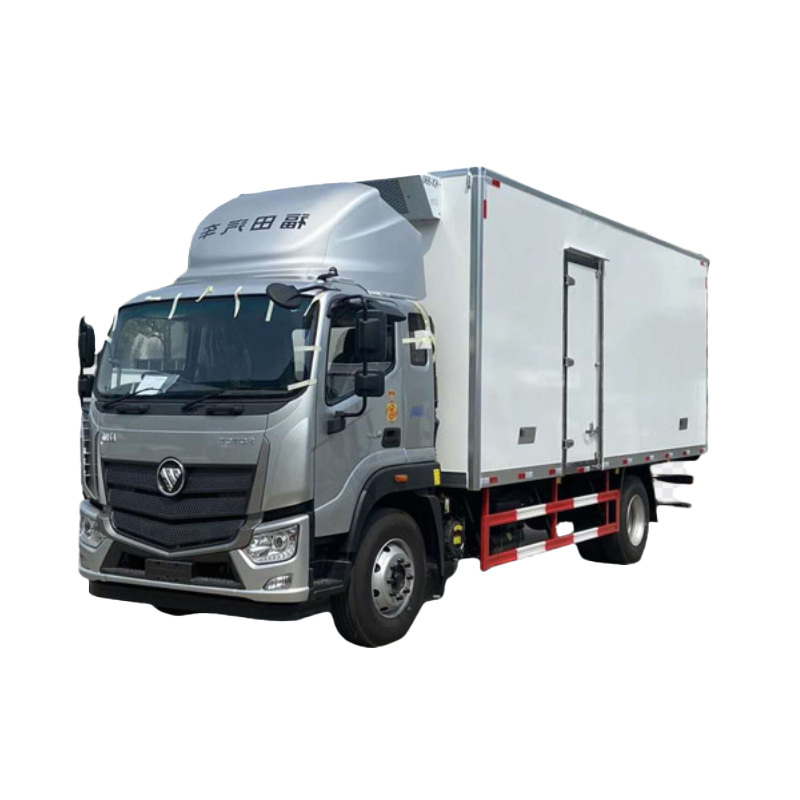
Buying a used refrigerator car offers a strategic balance between cost-efficiency and operational reliability for cold chain logistics. These pre-owned refrigerated trucks provide immediate availability and significant capital savings compared to new units, provided buyers verify the integrity of the insulation, refrigeration unit, and chassis. In 2026, the global market for second-hand special vehicles is driven by digital platforms that ensure transparency and quality assurance. Hitruckmall, operating from Suizhou, Hubei, connects international buyers with verified suppliers, offering inspected used refrigerator cars with complete lifecycle support, spare parts availability, and customized solutions for diverse regional climate requirements.
Why Choose a Used Refrigerator Car in 2026?
The decision to purchase a pre-owned refrigerated vehicle is often driven by financial prudence and operational flexibility. For startups in the cold chain sector, logistics companies expanding their fleets, or businesses with seasonal demand spikes, a used refrigerator car presents a lower barrier to entry. The depreciation curve of special purpose vehicles is steepest in the first few years; buying used allows operators to acquire higher-specification models at a fraction of the original cost.
Beyond initial savings, the immediate availability of used stock eliminates the long lead times associated with manufacturing new units. In a fast-moving market, being able to deploy a vehicle within days rather than months can secure critical contracts. However, the key to success lies in sourcing from reputable platforms that prioritize technical inspection and transparency.
Cost-Benefit Analysis: New vs. Used
Understanding the financial implications helps in making an informed procurement decision. While new vehicles offer the latest technology and warranty coverage, used vehicles provide superior return on investment (ROI) for specific use cases.
| Factor |
New Refrigerator Car |
Used Refrigerator Car |
| Initial Cost |
High (100% of market value) |
Moderate (40-70% of original value) |
| Depreciation |
Rapid loss in first 3 years |
Slower, stabilized depreciation |
| Availability |
3-6 months lead time |
Immediate delivery |
| Technology |
Latest emissions & cooling tech |
Proven, reliable previous-gen tech |
| Customization |
Fully customizable from factory |
Limited to existing modifications |
Key Components to Inspect When Buying Used
A refrigerator car is a complex integration of three main systems: the chassis, the insulated box body, and the refrigeration unit. A failure in any one component compromises the entire operation. Professional inspection is non-negotiable.
1. The Refrigeration Unit
The heart of the vehicle is the refrigeration unit. Whether it is a standalone diesel-powered unit or a vehicle-engine-driven system, its condition dictates the cargo’s safety. Buyers must check the compressor hours, not just the vehicle mileage. A truck may have low mileage but high compressor usage if it was used for continuous local deliveries.
- Compressor Health: Listen for unusual noises and check for oil leaks around the compressor seals.
- Condenser and Evaporator: Ensure fins are clean and undamaged. Bent fins restrict airflow, reducing efficiency.
- Temperature Pull-Down Test: Verify how quickly the unit can bring the box down to the required temperature (e.g., -18°C for frozen goods).
- Control Panel: Check for error codes and ensure the digital thermostat calibrates correctly.
2. Insulated Box Body Integrity
The box body maintains the temperature created by the refrigeration unit. Damage to the insulation leads to thermal leakage, forcing the unit to work harder and consume more fuel. Common materials include polyurethane foam sandwiched between FRP (Fiberglass Reinforced Plastic) or aluminum panels.
Inspect the interior and exterior for cracks, delamination, or water stains. Pay special attention to the door seals. Worn or cracked gaskets allow warm air ingress, causing frost buildup and temperature fluctuations. The floor should be checked for structural integrity, especially if the vehicle carried heavy pallets.
3. Chassis and Engine Condition
The underlying truck chassis must be roadworthy and capable of supporting the weight of the refrigerated body and cargo. Check the engine service history, transmission smoothness, and brake performance. Since refrigerated bodies add weight, the suspension and tires should show even wear. Rust on the chassis frame, particularly in regions with heavy winter road salt usage, is a critical red flag.
Types of Used Refrigerator Cars Available
The market offers various configurations tailored to different cargo types. Understanding these categories helps align the purchase with specific business needs.
Small Van Refrigerators
Ideal for last-mile delivery, pharmaceutical transport, and small-scale food distribution. These vehicles, often based on light commercial vans, offer maneuverability in urban environments. They typically use electric or small diesel standby units. Their compact size makes them energy-efficient for short routes.
Medium Duty Trucks
These are the workhorses of regional distribution. With box lengths ranging from 4 to 7 meters, they balance capacity and accessibility. They are suitable for supermarket replenishment, restaurant supply, and regional freight. Most medium-duty used refrigerator cars feature robust diesel refrigeration units capable of maintaining dual temperatures (frozen and chilled) via bulkheads.
Heavy Duty Semi-Trailers
For long-haul international or cross-country logistics, semi-trailers offer the highest capacity. Used reefer trailers are popular among large logistics firms. They require a separate tractor unit but provide modular flexibility. Inspection focuses heavily on the kingpin, landing gear, and the structural integrity of the trailer floor, which must withstand forklift traffic.
How Hitruckmall Ensures Quality and Trust
Navigating the used vehicle market can be challenging due to information asymmetry. Hitruckmall addresses this by leveraging its position as a one-stop service platform for special vehicles in China. Operated by Suizhou Haicang Automobile Sales Co., LTD, the platform is based in Suizhou, Hubei, widely recognized as the “capital of China’s special purpose vehicles.”
Hitruckmall integrates digital technology with efficient service processes to bring together resources from leading OEMs, dealers, and spare parts manufacturers. This ecosystem allows for a complete industrial chain covering new car manufacturing, second-hand car trading, and spare parts supply for the whole life cycle. For international buyers, this means access to vetted inventory where the history and condition of each used refrigerator car are transparently documented.
The platform does not merely list vehicles; it provides customized solutions according to the individual needs of different regional markets. Whether a buyer needs a vehicle configured for tropical climates with enhanced cooling capacity or a model suited for European emission standards, Hitruckmall’s expertise ensures the right match. Global partners are cordially invited to visit and expand business opportunities, benefiting from the collective authority and reliability of the Suizhou industrial cluster.
Common Applications for Used Refrigerated Vehicles
Understanding the versatility of these vehicles highlights their value across multiple industries. A used refrigerator car is not limited to food transport.
- Fresh Food Distribution: Transporting fruits, vegetables, meat, and dairy products requires precise temperature control, typically between 0°C and 4°C.
- Frozen Goods Logistics: Ice cream, frozen meats, and seafood require temperatures below -18°C. The insulation quality is critical here to prevent thawing during transit.
- Pharmaceuticals and Healthcare: Vaccines, medicines, and biological samples often require strict temperature monitoring and validation. Used vehicles previously used in pharma logistics are highly sought after due to their maintained standards.
- Floral and Chemical Transport: Flowers require cool, humid environments, while certain chemicals need stable temperatures to prevent degradation or hazardous reactions.
Step-by-Step Guide to Purchasing a Used Refrigerator Car
To minimize risk and ensure a smooth transaction, follow this structured procurement process.
Step 1: Define Your Requirements
Determine the cargo type, required temperature range, daily mileage, and load capacity. Decide if you need a multi-temperature zone setup. This clarity helps narrow down the search to relevant models.
Step 2: Source from Reputable Platforms
Use established platforms like Hitruckmall that offer verification services. Avoid private sellers who cannot provide maintenance records or proof of ownership. Look for suppliers who offer after-sales support and spare parts availability.
Step 3: Conduct Technical Inspection
If possible, inspect the vehicle in person or hire a third-party inspector. Focus on the refrigeration unit’s performance, box insulation integrity, and chassis condition. Request a live demonstration of the cooling system reaching the target temperature.
Step 4: Verify Documentation
Ensure all legal documents are in order, including the vehicle title, registration, and service history. For international purchases, verify export compliance and customs documentation requirements.
Step 5: Negotiate and Finalize
Use findings from the inspection to negotiate the price. Factor in any immediate repairs or maintenance needed. Once agreed, finalize the payment through secure channels and arrange for logistics or shipping.
Maintenance Tips for Extending Vehicle Life
Proper maintenance is crucial for maximizing the lifespan of a used refrigerator car. Regular care prevents costly breakdowns and ensures cargo safety.
- Regular Cleaning: Keep the condenser coils clean to ensure efficient heat exchange. Wash the interior of the box with approved sanitizers to prevent odor and bacterial growth.
- Seal Inspection: Regularly check door seals for cracks or gaps. Replace them immediately if damaged to maintain thermal efficiency.
- Refrigeration Service: Schedule annual servicing for the refrigeration unit, including checking refrigerant levels, belt tension, and electrical connections.
- Pre-Trip Checks: Before every trip, verify the temperature setting and ensure the unit is running smoothly. Monitor the temperature logger throughout the journey.
Frequently Asked Questions (FAQ)
What is the average lifespan of a used refrigerator car?
With proper maintenance, a refrigerated truck can remain operational for 10 to 15 years. The chassis often lasts longer than the refrigeration unit, which may require replacement or major overhaul after 7-10 years of intensive use.
Can I convert a standard dry van into a refrigerator car?
While technically possible, converting a dry van is often more expensive than buying a used refrigerator car. It involves adding insulation, installing a refrigeration unit, and reinforcing the structure. Buying a pre-built used unit is usually more cost-effective and reliable.
How do I verify the temperature history of a used unit?
Many modern refrigeration units come with data loggers or telematics systems that record temperature history. Request this data from the seller. If unavailable, a thorough inspection of the evaporator coil for ice buildup patterns can indicate past temperature control issues.
Is it safe to buy a used refrigerator car online?
Yes, provided you use a reputable platform like Hitruckmall that offers verification, transparent documentation, and secure transaction processes. Always insist on video inspections or third-party reports before finalizing the purchase.
What are the main differences between diesel and electric refrigeration units?
Diesel units are independent of the vehicle engine and are ideal for long hauls and heavy loads. Electric units are quieter, emit no exhaust, and are better suited for urban deliveries and short ranges, but they rely on the vehicle’s battery or external power sources.
Conclusion: Making a Smart Investment in Cold Chain Logistics
Investing in a used refrigerator car is a strategic move for businesses aiming to optimize costs without compromising on quality. By focusing on key components like the refrigeration unit, insulation, and chassis, buyers can secure reliable vehicles that meet their operational needs. The key to a successful purchase lies in partnering with trusted suppliers who offer transparency and support.
Hitruckmall stands out as a premier destination for such investments. By integrating digital technology with a robust industrial chain in Suizhou, Hubei, Hitruckmall provides cost-effective, highly reliable special vehicles and supporting services to customers worldwide. Whether you need a single van for local delivery or a fleet of trucks for regional distribution, the platform offers customized solutions tailored to your market’s unique demands.
Don’t let budget constraints limit your logistics capabilities. Explore the curated selection of inspected used refrigerator cars and leverage the expertise of a global leader in special vehicle trading. For detailed specifications, personalized quotes, or to schedule a virtual inspection, contact our team today.
View Our Latest Inventory of Used Refrigerator Cars