Searching for a concrete mixer truck near me requires identifying local suppliers who offer reliable, compliant, and timely delivery solutions for your specific project scale. This 2026 guide details how to locate reputable providers, evaluate fleet capabilities, and ensure operational efficiency without compromising on safety or mix quality. Whether you need a single load for a residential driveway or a continuous supply for commercial infrastructure, understanding the local landscape is critical for project success.
Understanding the Search for a Concrete Mixer Truck Near Me
The phrase “concrete mixer truck near me” represents more than just a geographical query; it signifies an urgent need for logistical precision in construction. In 2026, the demand for ready-mix concrete has evolved, with projects requiring tighter scheduling windows and higher quality control standards. Locating a provider involves assessing their proximity to your job site, which directly impacts the viability of the concrete mix upon arrival.
Time is the most critical factor in ready-mix concrete delivery. The chemical reaction known as hydration begins the moment water contacts cement. If a truck travels too far or encounters significant traffic delays, the concrete may begin to set before pouring, leading to structural weaknesses and wasted material. Therefore, finding a local supplier is not merely about convenience but about ensuring the technical integrity of the build.
Modern logistics have improved this process significantly. Many regional batching plants now utilize advanced GPS tracking and real-time communication systems to coordinate deliveries. When you search for a concrete mixer truck near me, you are essentially looking for a partner who can integrate seamlessly into your project timeline, minimizing idle time for your crew and equipment.
Why Proximity Matters in Concrete Delivery
The distance between the batching plant and the construction site dictates the maximum allowable travel time. Industry standards generally suggest that concrete should be discharged within 90 minutes of batching, although this window can vary based on ambient temperature and mix design additives.
- Slump Loss: As the truck rotates during transit, the concrete loses workability. Longer distances exacerbate this issue, potentially requiring on-site water addition, which can compromise strength if not carefully managed.
- Traffic Variability: Urban environments present unpredictable traffic patterns. A local provider understands these nuances and can route trucks effectively to avoid peak congestion zones.
- Temperature Control: In extreme weather, proximity reduces the exposure time of the mix to heat or cold, preserving the intended curing properties.
Selecting a nearby provider also reduces the carbon footprint associated with transportation, aligning with modern sustainability goals prevalent in 2026 construction contracts. Local fleets often operate newer, more fuel-efficient vehicles that meet stringent emission regulations.
Types of Concrete Mixer Trucks Available Locally
Not all concrete mixer trucks are created equal. When searching for a concrete mixer truck near me, it is essential to understand the different types of vehicles available and which one suits your specific application. The choice of truck affects accessibility, pour rate, and the ability to navigate tight job sites.
The industry primarily utilizes two main configurations: rear-discharge and front-discharge trucks. Each has distinct advantages depending on the terrain, space constraints, and the volume of concrete required. Understanding these differences allows project managers to make informed decisions when contacting local suppliers.
Rear-Discharge Mixer Trucks
Rear-discharge trucks are the most common type found in local fleets. These vehicles feature a rotating drum mounted at the rear, with discharge chutes extending from the back. They are versatile and suitable for a wide range of applications, from small residential patios to large commercial foundations.
The primary advantage of rear-discharge trucks is their maneuverability in reverse. Drivers can position the truck close to the formwork and control the flow of concrete precisely using the rear chutes. However, they require sufficient space behind the vehicle for operation, which can be a limitation in confined urban lots or sites with overhead obstructions.
These trucks typically carry between 8 to 10 cubic yards of concrete, making them ideal for standard pours. Their widespread availability means that finding a concrete mixer truck near me of this type is usually straightforward, even during peak construction seasons.
Front-Discharge Mixer Trucks
Front-discharge trucks offer a unique solution for challenging job sites. Unlike their rear-discharge counterparts, these vehicles allow the driver to discharge concrete from the front of the cab while driving forward. This configuration provides superior visibility and control, especially in areas where reversing is dangerous or impossible.
These trucks are particularly valuable for long pours along roadways, bridges, or sites with limited turnaround space. The driver can maintain a constant forward motion, adjusting the flow rate as needed without stopping to reposition the vehicle. This efficiency can significantly reduce labor costs and pour times.
While front-discharge trucks may be less common in some local fleets due to their specialized nature, they are indispensable for specific infrastructure projects. When planning a complex pour, verifying the availability of this equipment locally is a crucial step in the pre-construction phase.
How to Find Reliable Concrete Mixer Truck Services
Locating a dependable provider for a concrete mixer truck near me involves a strategic approach beyond a simple online search. Reliability in this sector is defined by consistency, equipment maintenance, and customer service responsiveness. A systematic evaluation ensures that you partner with a company capable of meeting your project demands.
Start by leveraging digital resources, but validate findings through direct communication. Online directories and review platforms provide initial insights, but they do not tell the whole story regarding fleet capacity or current availability. Direct engagement with local batching plants offers a clearer picture of their operational capabilities.
Leveraging Digital Directories and Reviews
In 2026, digital presence remains a key indicator of a company’s professionalism. Search engines and industry-specific directories list numerous concrete suppliers. Look for companies with detailed profiles that include fleet specifications, service areas, and certification information.
- Customer Feedback: Analyze recent reviews focusing on punctuality, mix quality, and driver professionalism. Consistent complaints about late arrivals or poor communication are red flags.
- Response Time: Test their responsiveness by sending an inquiry. A reliable supplier will respond promptly with detailed information rather than generic automated messages.
- Project Portfolio: Many established companies showcase past projects on their websites. Reviewing these can give you confidence in their ability to handle jobs similar in scale and complexity to yours.
However, digital metrics should be supplemented with verbal verification. Calling the dispatch center directly allows you to gauge their current workload and willingness to accommodate your schedule.
Verifying Licenses and Insurance
Safety and compliance are non-negotiable in the construction industry. Before finalizing an agreement with any provider found via a “concrete mixer truck near me” search, verify their licensing and insurance coverage. This step protects your project from liability and ensures adherence to local regulations.
Reputable companies hold valid operating licenses issued by state or municipal authorities. They should also carry comprehensive liability insurance and workers’ compensation coverage. Requesting proof of these documents is a standard practice and a sign of a trustworthy partner.
Additionally, check if the company complies with environmental regulations regarding washout and spill prevention. Responsible disposal of concrete waste is a legal requirement and an ethical obligation that reflects the company’s overall operational standards.
Key Factors to Consider When Choosing a Supplier
Once you have identified potential candidates for a concrete mixer truck near me, the next step is a detailed comparison based on specific criteria. Price is important, but it should not be the sole deciding factor. The cost of delayed schedules or substandard concrete far outweighs minor savings on per-yard pricing.
Evaluating suppliers requires a holistic view of their operations. Consider their fleet age, maintenance protocols, driver training programs, and flexibility in handling changes. These factors collectively determine the smoothness of your concrete pouring experience.
Fleet Condition and Maintenance Standards
The condition of the mixer trucks directly influences the quality of the delivered concrete. Older or poorly maintained trucks may suffer from drum issues that prevent thorough mixing, leading to inconsistent slump and strength variations.
Inquire about the supplier’s maintenance schedule. Leading companies adhere to strict preventive maintenance regimes, ensuring that engines, hydraulics, and drum mechanisms are in optimal condition. A well-maintained fleet reduces the risk of breakdowns during critical pours, which can cause costly interruptions.
Furthermore, modern trucks often come equipped with onboard monitoring systems that track drum rotation speed and mixing time. Asking if their fleet utilizes such technology can provide insight into their commitment to quality control and operational transparency.
Driver Expertise and Professionalism
The driver plays a pivotal role in the successful delivery of concrete. Beyond operating the vehicle, they manage the mixing process during transit and control the discharge rate at the site. An experienced driver can adjust to on-site conditions, communicate effectively with your crew, and troubleshoot minor issues instantly.
When evaluating a supplier, ask about their driver training programs. Companies that invest in continuous education for their operators demonstrate a higher level of professionalism. Skilled drivers understand the nuances of different mix designs and can advise on best practices for placement and finishing.
Professionalism also extends to courtesy and safety awareness. Drivers should arrive on time, wear appropriate personal protective equipment (PPE), and follow all site safety protocols. Their behavior reflects the values of the company they represent.
Global Sourcing Options for Specialized Fleets
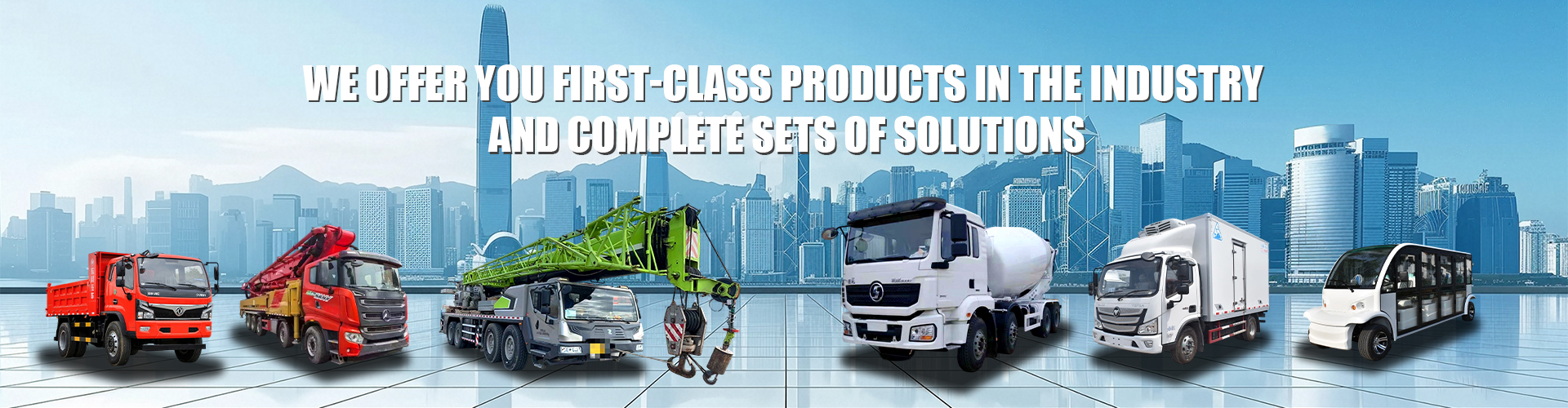
While local proximity is paramount for daily operations, there are instances where projects require specialized fleets, custom configurations, or large-scale procurement that local markets cannot immediately satisfy. In such scenarios, expanding your search to global manufacturers becomes a strategic necessity. This is where integrated platforms like Hitruckmall play a transformative role in the supply chain.
Operated by Suizhou Haicang Automobile Sales Co., LTD, Hitruckmall serves as a comprehensive one-stop service platform for special vehicles, bridging the gap between international buyers and China’s robust manufacturing hub in Suizhou, Hubei—widely recognized as the “Capital of China’s Special Purpose Vehicles.” By aggregating resources from leading OEMs, dealers, and spare parts manufacturers, Hitruckmall constructs a complete industrial chain covering new vehicle manufacturing, second-hand trading, and lifecycle spare parts supply.
For project managers seeking cost-effective and highly reliable concrete mixer trucks that may not be readily available in their immediate vicinity, Hitruckmall offers customized solutions tailored to specific regional market needs. Through the integration of digital technology and efficient service processes, the platform ensures that global partners can access top-tier vehicles that meet rigorous international standards. Whether you are looking to expand your existing fleet with specialized units or source equipment for a massive infrastructure rollout, leveraging such a platform allows you to secure high-quality assets that align with your long-term operational goals, complementing your local “near me” strategies with global scalability.
Cost Implications and Pricing Structures
Understanding the cost structure associated with hiring a concrete mixer truck near me is vital for accurate budgeting. Pricing in the ready-mix concrete industry is multifaceted, involving base material costs, delivery fees, and various surcharges that can accumulate quickly if not anticipated.
Transparency in pricing varies among suppliers. Some offer all-inclusive rates, while others itemize every component. Requesting a detailed quote breakdown helps avoid unexpected expenses and facilitates better financial planning for your project.
Base Material and Delivery Fees
The core cost consists of the price per cubic yard of concrete, which fluctuates based on the mix design, cement content, and regional material availability. High-strength mixes or those with special additives like fibers or accelerators will command a higher price.
Delivery fees are typically calculated based on distance from the batching plant to the job site. This is where the “near me” aspect becomes financially significant. Shorter distances result in lower fuel surcharges and reduced travel time costs. Some suppliers offer tiered pricing based on mileage brackets.
- Short Load Fees: Orders below a certain minimum volume (often 4-5 cubic yards) may incur a short load fee to compensate for the fixed costs of dispatching a truck.
- Wait Time Charges: Most contracts include a grace period for unloading (e.g., 30-45 minutes). Exceeding this limit results in hourly wait time charges, emphasizing the need for efficient site preparation.
- After-Hours Surcharges: Deliveries requested outside standard business hours or on weekends usually attract additional fees.
Hidden Costs to Watch For
Beyond the obvious line items, several hidden costs can impact your bottom line. Being aware of these allows you to negotiate better terms or adjust your site logistics to mitigate them.
Environmental fees for washout and disposal are increasingly common as regulations tighten. Ensure these are included in the initial quote. Additionally, if your site requires specialized equipment like conveyors or pumps to place the concrete, these services are billed separately and can be substantial.
Cancellation policies are another area to scrutinize. If a pour is canceled after the truck has been dispatched, you may be liable for the full cost of the load and the driver’s time. Clear communication and confirmed schedules are essential to avoid these penalties.
Operational Best Practices for Concrete Pouring
Securing a concrete mixer truck near me is only the first step. Ensuring a successful pour requires meticulous planning and coordination between your team and the supplier. Adhering to operational best practices maximizes the value of the delivered concrete and minimizes risks.
Effective communication is the backbone of a smooth operation. Establish a clear chain of command and designate a point of contact who will liaise directly with the truck drivers and dispatchers. This person should be empowered to make real-time decisions regarding flow rates and positioning.
Site Preparation Checklist
Before the first truck arrives, the job site must be fully prepared. Delays caused by incomplete prep work lead to wait time charges and potential concrete setting issues. A comprehensive checklist ensures nothing is overlooked.
- Access Routes: Verify that access roads are stable and wide enough to support the weight and dimensions of fully loaded mixer trucks. Soft ground can trap vehicles, causing significant delays.
- Overhead Clearance: Check for power lines, tree branches, or scaffolding that might obstruct the truck’s chute or drum movement.
- Formwork Inspection: Ensure all forms are securely braced and oiled. Leaking forms waste concrete and create messes that are difficult to clean.
- Reinforcement Placement: Confirm that rebar or mesh is correctly positioned and tied. Displacing reinforcement during the pour compromises structural integrity.
Having the necessary tools and labor ready for spreading and finishing is equally important. The concrete crew should be in position before the truck arrives to ensure immediate placement.
Communication Protocols During Delivery
During the actual pour, maintaining open lines of communication is critical. Drivers should be briefed on the specific placement sequence and any site hazards. Use hand signals or radios if noise levels are high, ensuring everyone understands the instructions.
Monitor the slump of the concrete upon arrival. While minor adjustments can be made under supervision, significant deviations from the specified slump should be addressed immediately with the supplier. Do not allow unauthorized water addition, as this dilutes the cement paste and reduces final strength.
If multiple trucks are scheduled, coordinate their arrival times to maintain a continuous flow without overwhelming the placement crew. Staggered arrivals help manage the pace of the pour and prevent cold joints from forming between layers.
Comparison of Service Models
When searching for a concrete mixer truck near me, you may encounter different service models offered by suppliers. Understanding the distinctions between full-service providers, material-only suppliers, and specialized contractors helps in selecting the right partner for your project needs.
The table below outlines the key differences between these common service models, highlighting their pros and cons to aid in decision-making.
| Service Model |
Description |
Pros |
Cons |
Best For |
| Full-Service Supplier |
Provides concrete, delivery, pumping, and finishing services. |
Single point of contact; streamlined coordination; accountability for entire process. |
Higher overall cost; less flexibility if you prefer your own finishers. |
Large commercial projects; complex pours requiring precise timing. |
| Material & Delivery Only |
Supplies and delivers concrete; customer handles placement and finishing. |
Lower cost; flexibility to hire own labor; control over finishing quality. |
Requires more management effort; liability for placement errors rests with customer. |
Experienced contractors; DIY projects with skilled labor. |
| Specialized Contractor |
Niche providers focusing on specific mixes (e.g., decorative, high-strength). |
Expertise in specific applications; access to proprietary mixes. |
Limited availability; potentially higher minimum order requirements. |
Architectural concrete; industrial floors; specialized infrastructure. |
Selecting the appropriate model depends on your internal capabilities and project complexity. For general construction, a material and delivery-only approach often offers the best balance of cost and control, provided you have a competent crew.
Troubleshooting Common Delivery Issues
Even with careful planning, issues can arise when coordinating a concrete mixer truck near me. Being prepared to handle common problems ensures that minor hiccups do not escalate into major project setbacks. Quick thinking and established protocols are key to resolution.
Common issues include traffic delays, mechanical failures, and mix discrepancies. Having a contingency plan for each scenario minimizes downtime and maintains the quality of the pour.
Handling Traffic and Delay Scenarios
Traffic congestion is an unavoidable reality in many regions. If a truck is delayed, the concrete inside may begin to lose slump. Modern trucks can rotate the drum at mixing speed to retard setting, but there are limits.
If a delay is anticipated, contact the supplier immediately. They may advise adding a retarding admixture at the plant or instruct the driver to adjust rotation speeds. In severe cases, the load may need to be rejected to prevent placing compromised concrete. Always prioritize quality over schedule pressure.
To mitigate future risks, consider scheduling deliveries during off-peak hours or building buffer time into your project timeline. Establishing a relationship with a local supplier who knows alternative routes can also prove invaluable.
Addressing Mix Quality Concerns
Upon arrival, if the concrete appears too dry, too wet, or inconsistent, address it before discharge begins. Request a slump test to verify compliance with the order specifications. If the mix is out of tolerance, discuss options with the driver and the plant dispatcher.
In some cases, the truck can return to the plant for adjustment, though this incurs time and cost penalties. If the deviation is minor and within acceptable engineering limits, adjustments can sometimes be made on-site under strict supervision. Never compromise on structural safety for the sake of convenience.
Document any issues with photos and written notes. This record is essential for resolving disputes with the supplier and ensuring accountability for any subsequent performance issues.
Frequently Asked Questions (FAQ)
Addressing common queries helps clarify uncertainties regarding the process of finding and utilizing a concrete mixer truck near me. These answers are based on industry standards and practical experiences relevant to 2026 construction practices.
How far in advance should I book a concrete mixer truck?
It is advisable to book at least 24 to 48 hours in advance for standard residential projects. For large commercial pours or during peak construction seasons (spring and summer), booking one to two weeks ahead is recommended to secure your preferred time slot and ensure availability.
What happens if it rains during my concrete pour?
Light rain usually does not affect the pour significantly, but heavy rain can wash out the cement paste and damage the surface finish. Most suppliers will monitor weather forecasts and may delay or cancel deliveries if severe weather is expected to protect the integrity of the mix.
Can I add water to the concrete truck on-site?
Water should only be added under the supervision of a qualified professional and within the limits specified by the mix design. Unauthorized water addition increases the water-cement ratio, which significantly reduces the compressive strength and durability of the concrete.
What is the minimum order quantity for a mixer truck?
Minimum orders vary by supplier but typically range from 4 to 5 cubic yards. Orders below this threshold often incur a “short load” fee to cover the fixed costs of transportation and dispatching the vehicle.
How long do I have to unload the concrete once the truck arrives?
Most contracts allow a grace period of 30 to 45 minutes for unloading. After this period, hourly wait time charges apply. Efficient site preparation and adequate labor are crucial to staying within this window.
Conclusion and Next Steps
Finding the right concrete mixer truck near me is a strategic decision that impacts the quality, cost, and timeline of your construction project. By prioritizing proximity, verifying supplier credentials, and understanding the nuances of fleet types and pricing structures, you can ensure a seamless concrete delivery experience. The key lies in thorough preparation and partnering with a provider who values reliability and technical excellence.
This guide serves as a roadmap for navigating the local concrete market in 2026. Whether you are managing a small residential renovation or a large-scale infrastructure development, the principles of selecting a nearby, reputable supplier remain constant. Focus on communication, site readiness, and adherence to best practices to achieve optimal results.
Who is this guide for? It is designed for contractors, project managers, and property owners seeking actionable insights into concrete procurement. If you are planning an upcoming pour, start by compiling a list of local suppliers, requesting detailed quotes, and verifying their fleet availability. For those requiring specialized fleets or global sourcing options, exploring platforms like Hitruckmall can provide access to customized solutions and expanded inventory. Take the next step today by contacting a certified local batching plant or a global specialist to discuss your specific requirements and secure your delivery slot.